What are the different types of silk? How to choose the best one?
Silk, a World Apart
Light, fluid, precious: silk has fascinated for centuries. But behind this single word, there are actually several types of silk and different weaves, which do not all offer the same qualities.
At Maison CÉTOILE, we chose silk for its unique softness on the skin, its timeless beauty, and its benefits for sleep.
Before choosing a silk pillowcase or pajamas, it can be helpful to understand what distinguishes the different types of silk.
The Main Varieties of Silk
Some differences come from the origin of the fiber itself.
| Type of Silk | Origin | Appearance / Touch | Common Use | At CÉTOILE |
|---|---|---|---|---|
| Mulberry Silk | Silkworm Bombyx mori fed mulberry leaves | Very smooth, regular, shiny | Lingerie, bedding, haute couture | ✅ Yes |
| Tussah Silk (wild silk) | Silkworms living in nature | Thicker fiber, beige color, irregular texture | Scarves, artisanal textiles | ❌ No |
| Raw Silk (ungummed wild silk) | Thread retaining part of the cocoon | More raw and matte texture | Structured clothing, decoration | ❌ No |
Today, mulberry silk is the most used in high-end textiles, as its fibers are longer, more regular, and particularly soft.
The Main Silk Weaves
Once the fiber is produced, silk can be woven in different ways.
Weaving influences the appearance and feel of the fabric.
| Weave | Characteristics | Common Use |
|---|---|---|
| Silk Satin (charmeuse) | Very smooth and shiny on the right side, matte on the reverse | Pillowcases, lingerie, pajamas |
| Silk Twill | More structured and resistant diagonal weave | Silk squares, scarves |
| Habotai | Light and fine fabric | Linings, scarves |
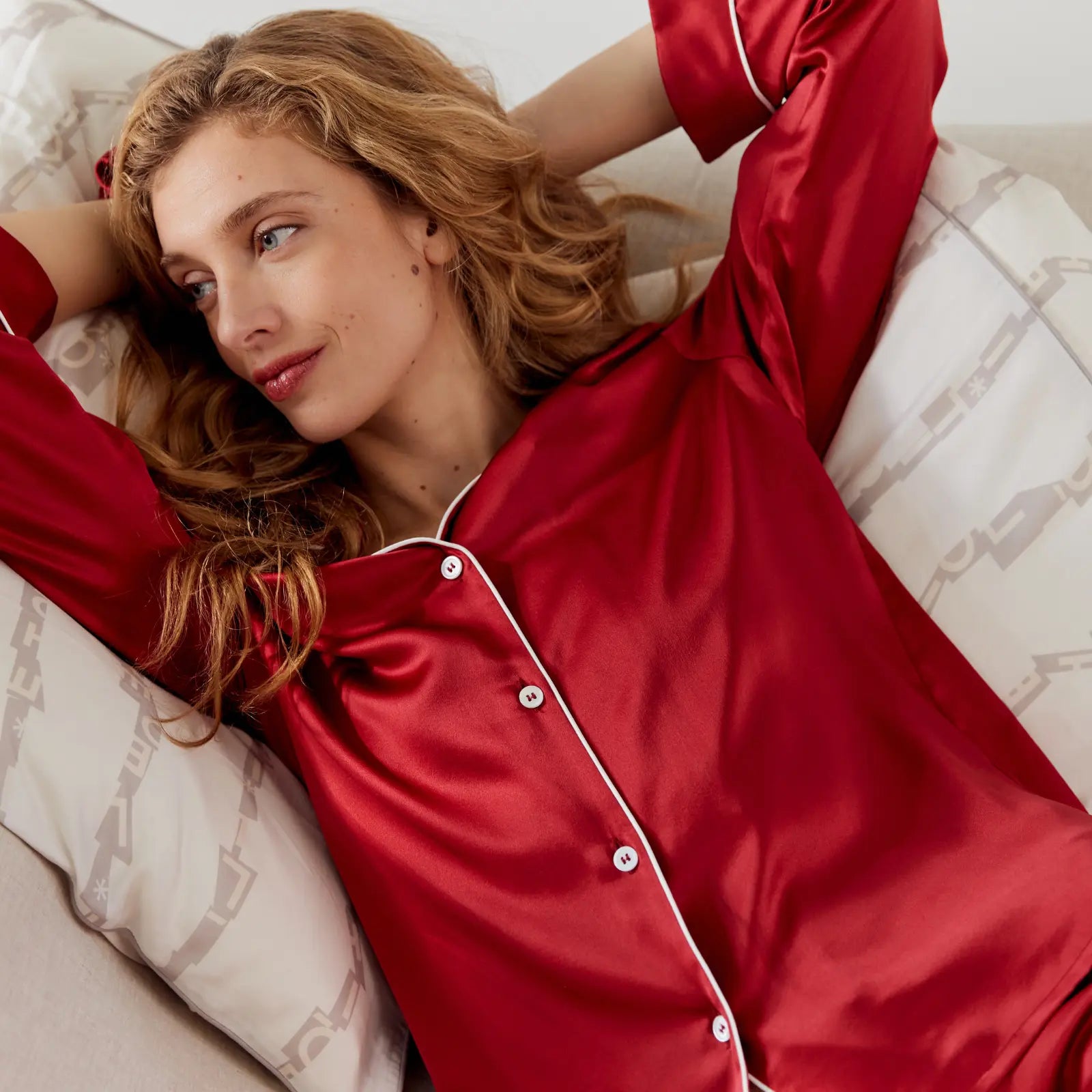
Textiles intended for direct contact with the skin, such as pillowcases or pajamas, are often made of silk satin (charmeuse) to achieve a particularly soft and fluid surface.
What is the best silk?
It all depends on the use, but for textiles worn or used during the night, the reference remains:
mulberry silk woven into silk satin.
Quality also depends on the thickness of the fabric, measured in momme.
-
22 momme: dense and durable silk, ideal for sleepwear
-
19 momme: balance between lightness and strength
-
16 momme: finer, suitable for certain light pieces
Why We Chose Mulberry Silk
At Maison CÉTOILE, we exclusively use OEKO-TEX® certified mulberry silk, renowned for its softness and regularity.
We select weights suitable for each use:
-
22 momme for pajamas and some accessories
-
19 or 16 momme for double-sided pillowcases
-
hand-rolled edges for silk scarves
Each piece is designed to offer a lasting feeling of comfort, night after night.
How to Recognize Quality Silk?
A few simple benchmarks can help.
Light
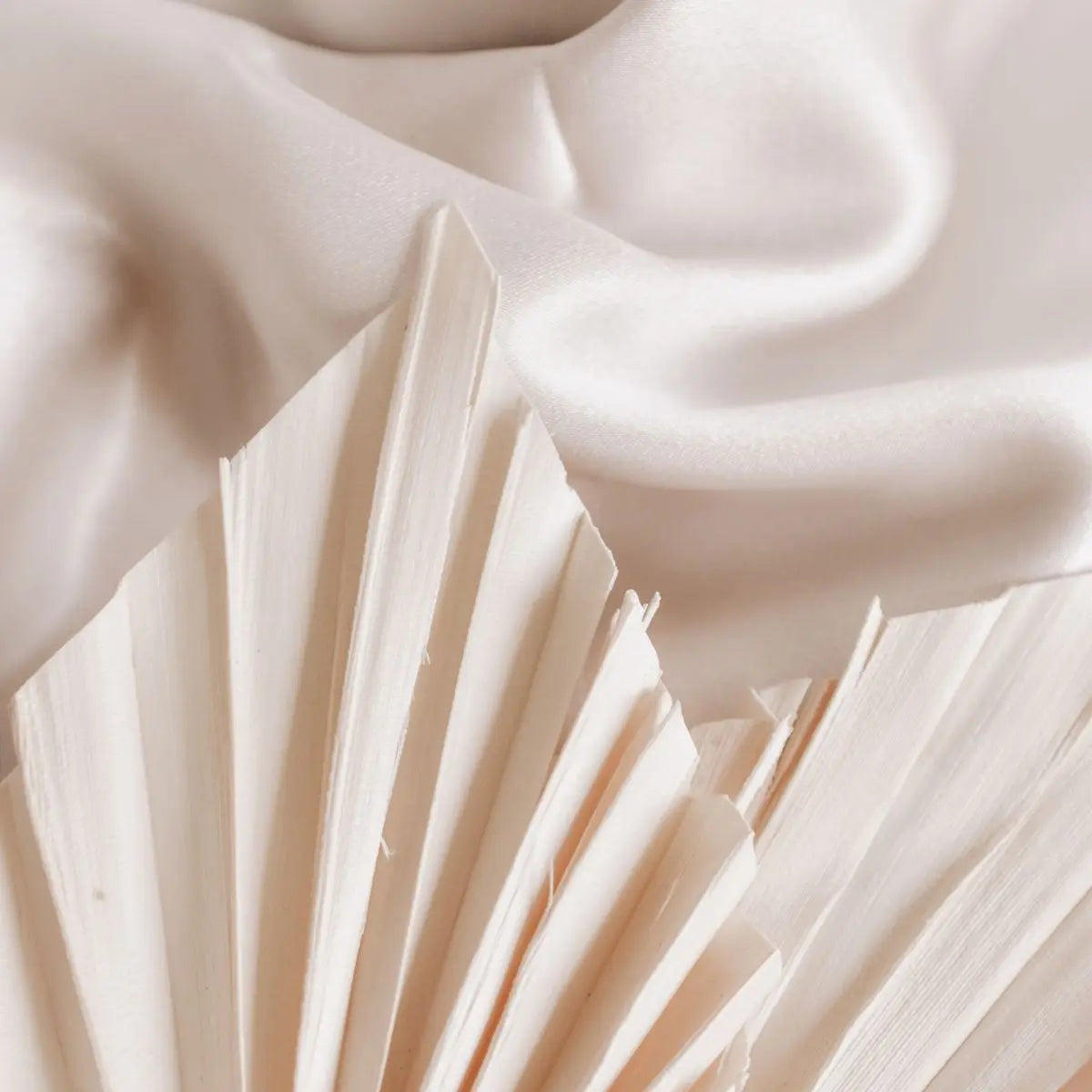
Natural silk reflects light in a subtle and changing way, never plasticky.
Touch
The surface is soft and fluid, with no synthetic feel.
Momme
The fabric's weight indicates its density: below 16 momme, durability may be more limited.
In Summary
The quality of silk primarily depends on:
-
the origin of the fiber (mulberry silk being the finest and most regular)
-
the fabric's weave (satin, twill, etc.)
-
its thickness measured in momme
For textiles intended for sleep, the most appreciated combination remains mulberry silk woven into silk satin, renowned for its softness and fluidity.
fluidity.
Want to try silk?
→ Discover our Complice pillowcase
→ Explore Maison CÉTOILE silk pajamas