Night sweats: silk, cotton or TENCEL™ lyocell — which material to choose?
Waking up at night with a feeling of dampness, warmth, or discomfort is more common than one might think.
Night sweats are not always related to the bedroom temperature: the material in contact with the skin plays a key role.
Silk, cotton, or TENCEL™ Lyocell: here’s how to choose the most suitable bedding for better sleep, even when nights are restless.
Why do we sweat at night?
Night sweats can have several causes:
-
more sensitive thermoregulation during sleep,
-
an overheated or poorly ventilated room,
-
materials that retain moisture,
-
excessive friction on the skin.
When the material absorbs moisture without wicking it away, the feeling of dampness persists — and sleep becomes less restorative.
What material is most comfortable when you sweat at night?
The best material is one that regulates temperature, wicks away moisture, and remains soft on the skin.
Not all react the same way.
Cotton and night sweats
Cotton is often perceived as a safe bet. Yet:
-
it absorbs moisture, but retains it,
-
once damp, it can become cold or sticky,
-
friction is more pronounced, especially on sensitive skin.
Cotton is suitable for sleepers who don't sweat much, but it shows its limitations when nights get warmer or more humid.
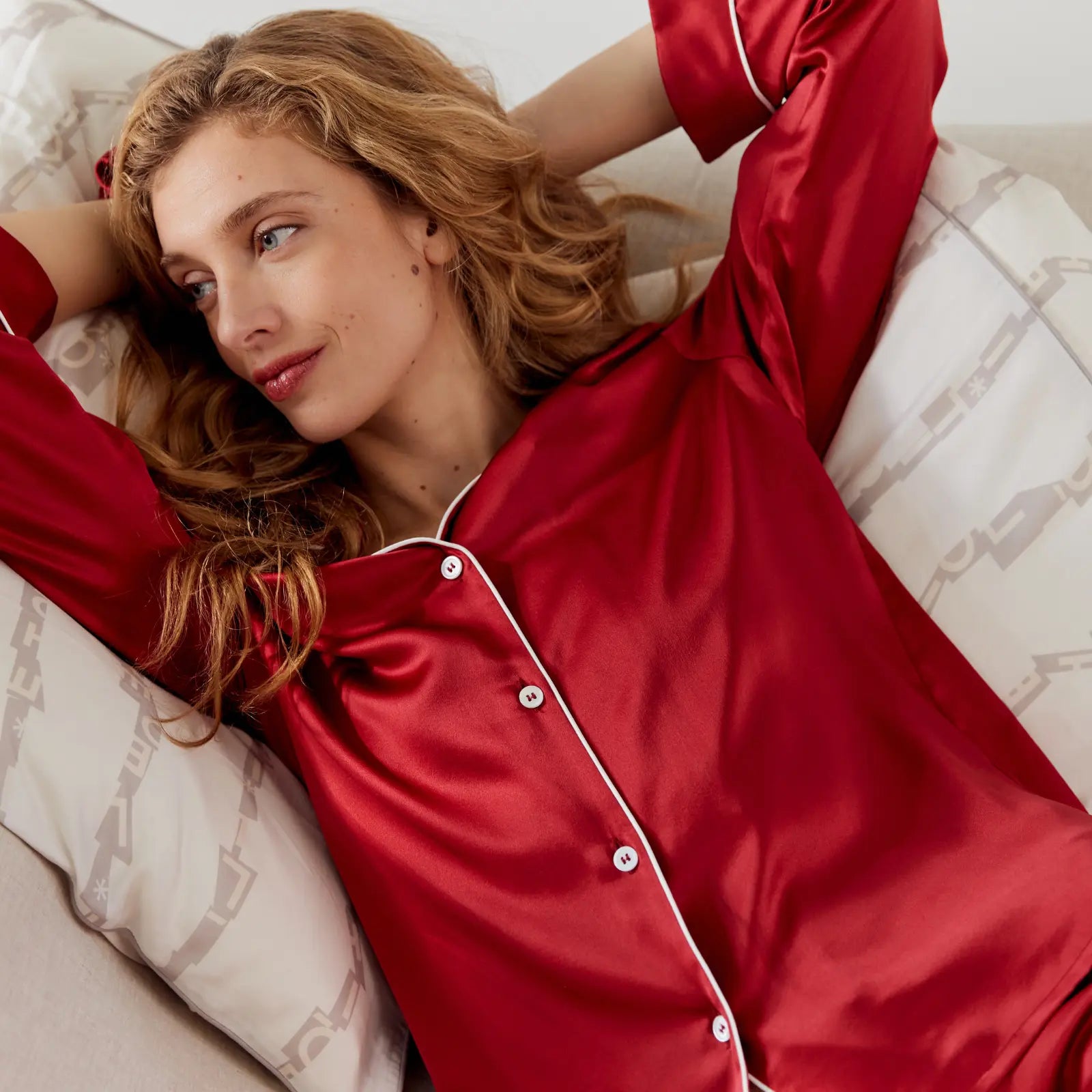
Silk: thermoregulation and natural softness
Natural silk has a unique protein structure that allows it to:
-
regulate body temperature,
-
stay cool when hot and temperate when cooler,
-
reduce friction on the skin,
-
offer a dry and enveloping feel.
It is particularly appreciated for light to moderate perspiration, and for sensitive or reactive skin.
It accompanies the body without constricting it.
(Read also: Sleeping in silk: why it's ideal for sensitive skin)
TENCEL™ Lyocell: breathability and a “clean” feel
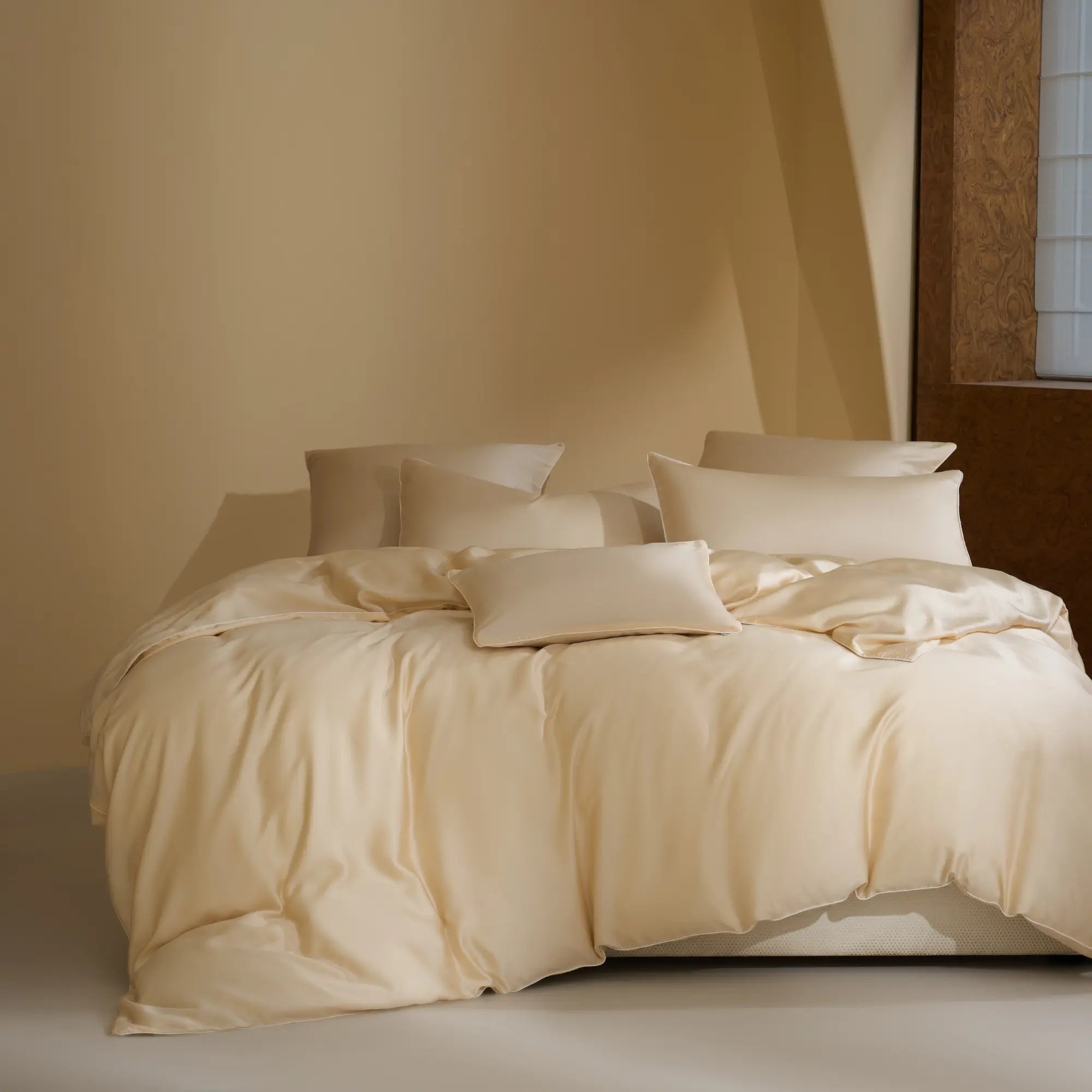
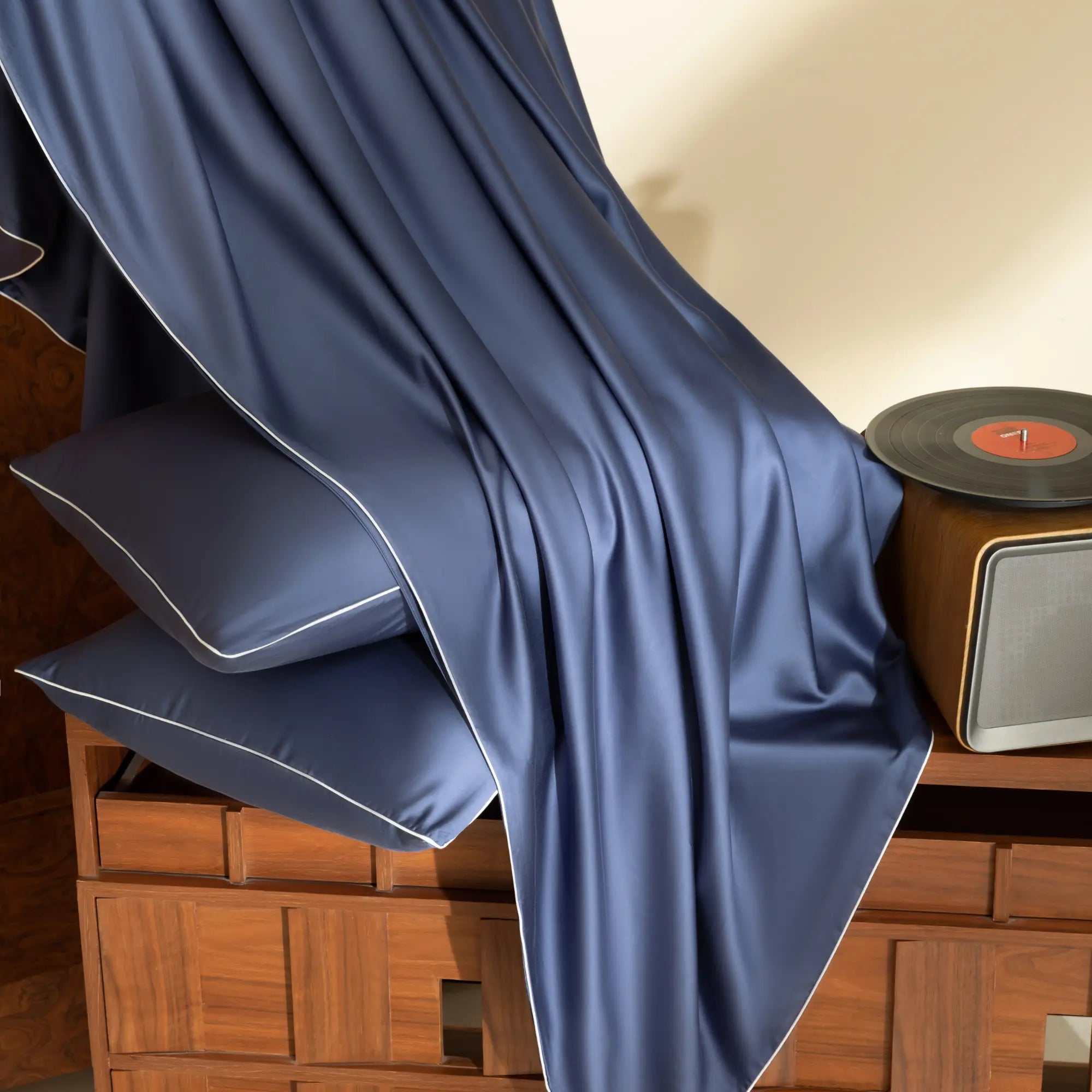
TENCEL™ Lyocell — which we at CÉTOILE call plant silk — is known for:
-
its high breathability,
-
its ability to quickly wick away moisture,
-
its smooth and cool surface,
-
its “clean” and dry feel on the skin.
Unlike cotton, moisture does not stagnate in the fiber.
The fabric remains fluid, even after several hours of sleep.
(Read also: Caring for Tencel™ Lyocell bed linen)
Silk or TENCEL™: which to choose for your sleep?
-
Light perspiration, sensitive skin → silk provides softness and regulation.
-
More pronounced perspiration → TENCEL™ Lyocell ensures freshness and wicking.
-
Irregular nights, temperature variations → both materials offer superior comfort to cotton.
The choice depends less on the season than on how you sleep.
The choice according to Maison CÉTOILE
At CÉTOILE, we have chosen a founding duo:
-
natural silk, for its softness and regulation,
-
TENCEL™ Lyocell, for its breathability and plant-based comfort.
Two materials designed to accompany the body, without ever restricting it.
FAQ — Night sweats & materials
What material should you choose if you sweat a lot at night?
TENCEL™ Lyocell is often the most comfortable due to its ability to wick away moisture without retaining it.
Does silk make you sweat?
No. Silk is thermoregulating and limits the sensation of excessive heat.
Is TENCEL™ Lyocell suitable for sensitive skin?
Yes. Its smooth and breathable surface is naturally gentle on the skin.
In summary
When you sweat at night, the choice of material makes all the difference.
Silk and TENCEL™ Lyocell offer a more comfortable alternative to cotton, respecting the skin and sleep cycle.
To learn more
— Silk, cotton, or TENCEL™ Lyocell: which material for a good night's sleep?
— Which silk pajamas to choose? The guide to combining softness, quality, and elegance.